

BYD Company Limited
has reached another major milestone in its global expansion journey, officially delivering its 100,000th vehicle in the United Kingdom.
But the achievement goes beyond vehicle sales.
At the same time, BYD has unveiled the UK's first ultra-fast flash charging station, marking a significant step toward addressing one of the biggest challenges facing EV adoption: charging convenience.
The company plans to deploy 300 flash chargers across the UK by the end of 2026, demonstrating a strategy that extends beyond manufacturing vehicles to building the ecosystem needed to support them.
What makes the technology particularly noteworthy is its charging capability. BYD claims charging speeds exceeding 1,000 kW, allowing compatible vehicles to charge from 10% to 97% in as little as 9 minutes under optimal conditions. If delivered consistently at scale, such charging times could significantly reduce one of the key barriers to EV adoption—range anxiety and long charging stops.
The move highlights a growing trend in the automotive industry. Success in the EV era is no longer determined solely by who builds the best vehicles. Increasingly, it is about who can create the strongest ecosystem, including batteries, software, charging infrastructure, and customer support.
As traditional automakers, EV startups, and technology companies compete for market share, BYD is positioning itself as more than a vehicle manufacturer. It is building an end-to-end mobility platform designed to support the next generation of transportation.
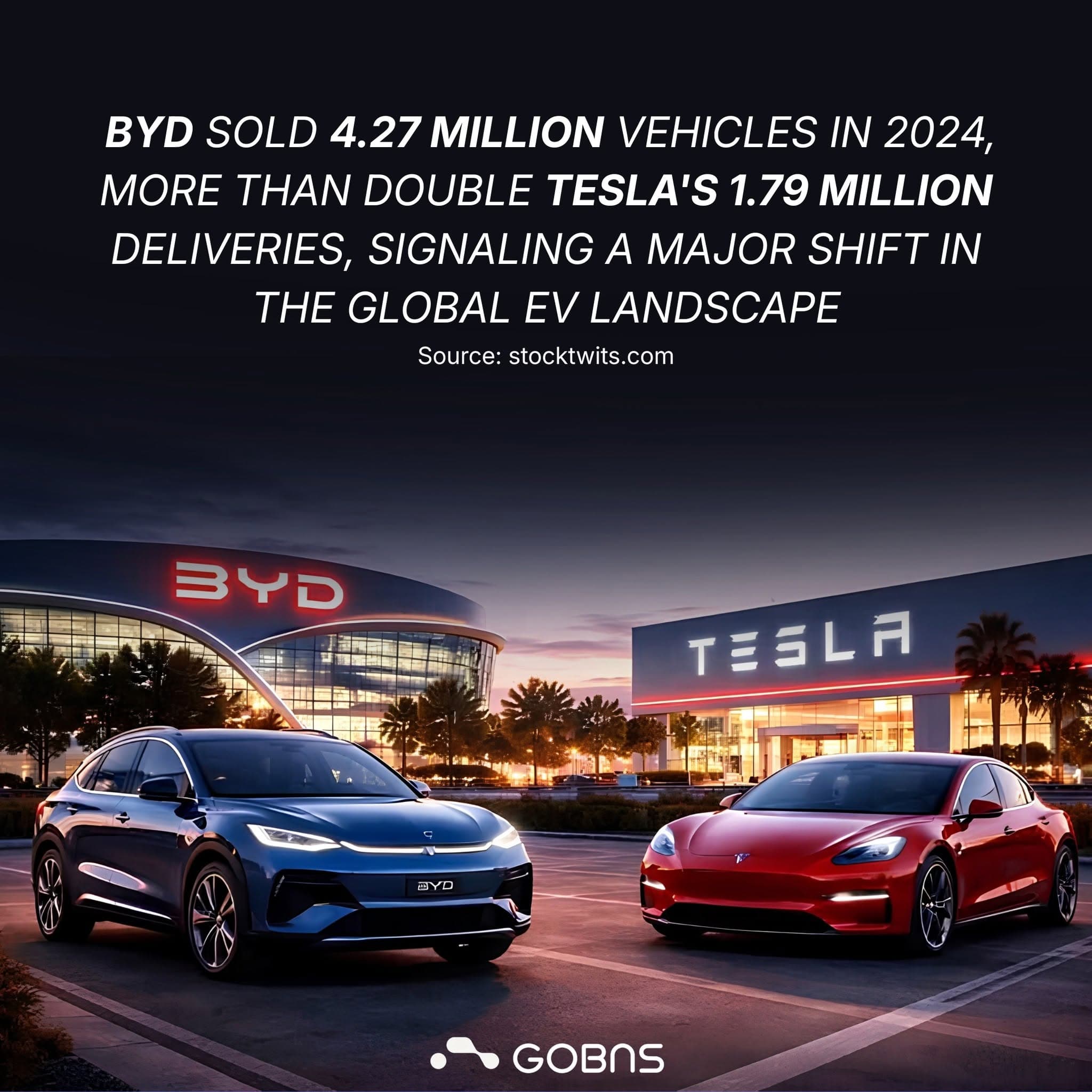
With record sales, expanding international presence, and major investments in charging infrastructure, BYD continues to strengthen its position as one of the most influential players in the global automotive industry.
The question now is whether other markets will follow the UK's lead in adopting ultra-fast charging technology—and how quickly competing manufacturers can match this pace of infrastructure development.
Is charging infrastructure now more important than vehicle performance in determining the success of EV adoption?